Current events
China Wealth Frenzy 2026: The Price of Success and I Ching Wisdom on Balance
2026-07-20
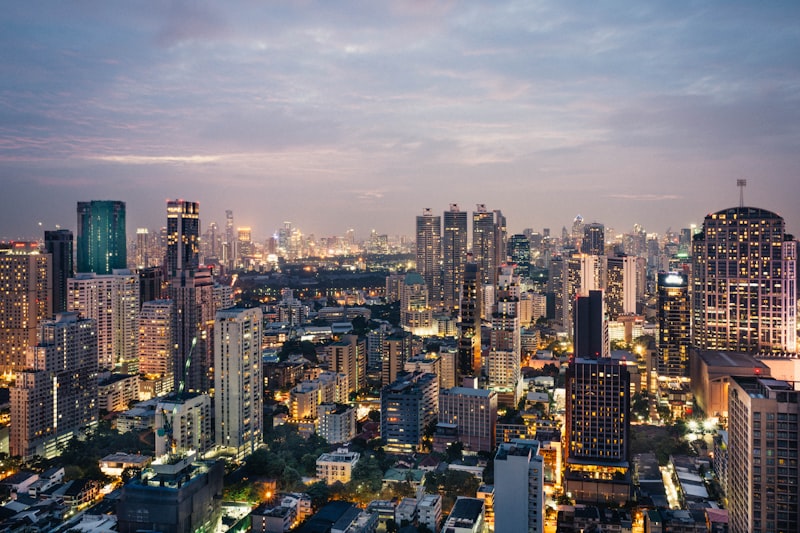
In 2026, China's wealth story continues to be one of the defining narratives of the global economy. The country has produced more billionaires than any nation outside the United States. Its luxury goods market has surpassed that of the United States and Europe combined. Young Chinese professionals in Shanghai, Beijing, and Shenzhen work 996 schedules — 9 a.m. to 9 p.m., six days a week — chasing a dream of success that promises status, security, and belonging. Yet beneath the glittering surface, a quieter story has emerged: the lying flat (躺平) movement, rising rates of urban depression, a shrinking population, and a generation asking whether the pursuit of wealth has come at the cost of something more essential. The I Ching, born from Chinese civilization itself, has been asking this question for three thousand years.

Hexagram 55 (Abundance / Fullness): The Danger of Excess
China's economic miracle is an expression of Hexagram 55 (Abundance / Fullness) — the image of thunder and lightning together, bright and full of power. The judgment speaks of abundance, of success so complete that it seems unstoppable. But the hexagram contains a warning: abundance carries the seed of its own decline. The sun at noon must begin its descent. The wealthy young professional in a Shanghai high-rise, the factory owner expanding production, the investor riding the wave — all are experiencing abundance. The hexagram teaches: enjoy it, but do not cling to it. Abundance is a season, not a permanent state. The Chinese saying fu gui bu ke zhong (富贵不可终, wealth and honor cannot last forever) echoes the ancient wisdom of this hexagram. The pursuit of wealth is not wrong. But the attachment to it is the beginning of suffering.
Hexagram 15 (Modesty): The Wisdom of the Lying Flat Movement
The lying flat (躺平) movement — young Chinese choosing to withdraw from the relentless pursuit of success, to live simply, to refuse the 996 grind — is often misunderstood as laziness. The I Ching offers a different lens: Hexagram 15 (Modesty) is the image of a mountain lowered beneath the earth. The mountain does not lose its grandeur by being humble. It gains stability. The judgment says: Modesty brings success. In a culture obsessed with upward mobility, status, and visible wealth, the choice to step back is not failure. It is wisdom. The young person who says enough — I do not need the corner office, the luxury apartment, the designer handbag — is practicing the ancient art of knowing when enough is enough. Modesty in the I Ching is not self-deprecation. It is the recognition that true wealth is not what you accumulate but what you are free to enjoy.
Hexagram 37 (The Family): What We Are Actually Building
Behind China's economic miracle is a human cost that is rarely discussed: families separated by work, a shrinking birth rate (one of the lowest in the world), young people delaying marriage and children because they cannot afford both a career and a family. Hexagram 37 (The Family) describes the proper order of human relationships — the warmth of the hearth, the bonds of kinship, the foundation of society. The hexagram asks a fundamental question that China, and the world, must face in 2026: if the pursuit of wealth destroys the family, what have we actually built? The Chinese government's efforts to reverse the birth rate decline, to encourage marriage, to support childcare — all are attempts to restore what the wealth frenzy has broken. The hexagram teaches: a society that sacrifices the family for wealth will eventually have neither.
Related Posts
Current events
The Great Demographic Reckoning: I Ching Wisdom for a Shrinking World
In 2026, the world's population is aging and shrinking at an unprecedented rate. From China to Japan to Europe, nations face a future with fewer workers, more retirees, and profound questions about what we leave for the next generation.
Current events
Water Wars and the New Scarcity: I Ching Wisdom for a Thirsty Planet
From the Colorado River crisis to the Mekong Delta disputes, 2026 is the year water scarcity becomes a defining global challenge. The I Ching — rooted in the wisdom of water and earth — offers guidance for a world learning to share its most precious resource.
Current events
The US-China Tech War of 2026: I Ching Wisdom for a Decoupling World
From semiconductor export controls to TikTok bans and AI regulations, the technological decoupling of the world's two largest economies is reshaping global power. The I Ching offers a framework for navigating division without losing connection.
Enjoying I Ching Path?
Your donation helps cover server costs — about $15/month — and keeps this platform free and ad-free for everyone.
Support Us