Practical guidance
I Ching Dream Journaling: A Complete Practice for Nightly Insight
2026-07-05

Dream journaling is one of the most powerful practices for self-understanding. When you add the I Ching to the practice, the journal becomes more than a record of dreams. It becomes a conversation between your sleeping and waking selves — a dialogue mediated by the 64 hexagrams. Each morning, you bring the symbols of the night to the symbols of the I Ching, and together they reveal patterns that neither would show you alone.
The I Ching Dream Journal: What You Need
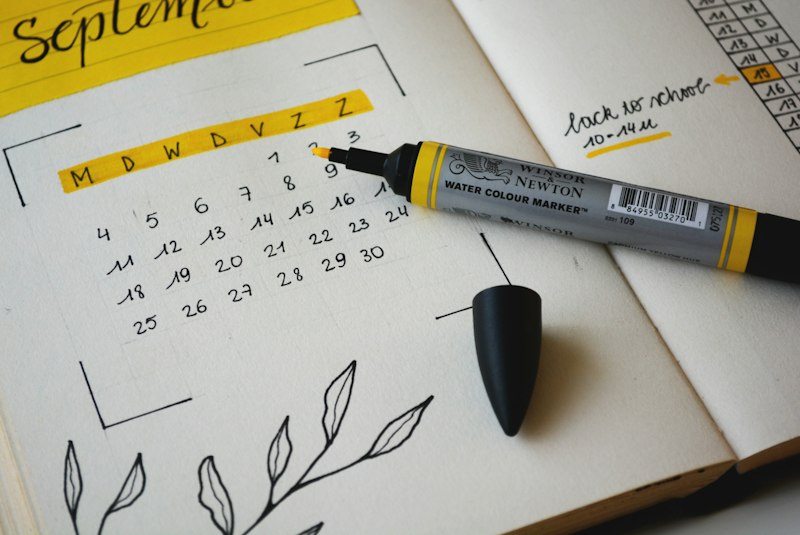
A dedicated notebook (one you use only for this practice), a pen, and three coins for casting. That is all. The practice is simple, but it requires consistency. The dreams will not always be vivid. The hexagrams will not always make immediate sense. The power of the practice is not in any single entry but in the pattern that emerges over weeks and months of consistent attention.
The Morning Practice: 10 Minutes
Step 1: Record the dream (3 minutes). As soon as you wake, write the dream in present tense. "I am walking through a forest. The trees are bare. I hear a voice but cannot see who is speaking." Present tense keeps the dream alive. Include feelings, colors, sounds, and sensory details. If you remember no dream, write: "No recall." Even the nights with no dreams are data.
Step 2: Identify the emotional center (1 minute). Circle the single strongest emotion in the dream. Fear? Joy? Confusion? Relief? Grief? If there was no dream, what emotion do you wake with?
Step 3: Cast the I Ching (3 minutes). Hold the dream's emotional center in your awareness. Cast the coins and find your hexagram. Write the hexagram number, name, and judgment in your journal. Do not try to interpret yet. Simply write.
Step 4: Write the connection (3 minutes). Write freely for three minutes about how the hexagram and the dream speak to each other. Use these prompts if you get stuck: Which image from the dream does the hexagram's image most resemble? What phrase from the judgment echoes something from the dream? What would the hexagram say to the dream's main character?
The Weekly Pattern Review
Once a week, review the last seven entries. Read the dreams and hexagrams consecutively. Look for repeating themes. Are certain hexagrams appearing repeatedly? Hexagram 29 (The Abysmal) appearing three times in a week suggests a deep emotional pattern that needs attention. Hexagram 42 (Increase) appearing after a period of Hexagram 47 (Oppression) confirms that the difficult phase is ending.
The weekly review is where the real insight lives. The daily entries are data. The weekly review is the analysis. Over time, you will develop a personal dream vocabulary — not of fixed symbol meanings but of living patterns that belong uniquely to you.
The Monthly Dream Hexagram

At the end of each month, cast one hexagram with the question: What is the overarching theme of my dreams this month? This monthly hexagram becomes the title of that chapter in your dream journal. In January, the monthly hexagram might be Hexagram 3 (Difficulty at the Beginning). In June, Hexagram 35 (Progress). In December, Hexagram 24 (Return). The monthly hexagram gives you the arc of your inner life — the story your dreams are telling across weeks and months.
Common Dream Hexagram Patterns
Over time, you may notice certain patterns in how your dreams and hexagrams relate:
The Warning Pattern. A nightmare or anxiety dream followed by Hexagram 18 (Work on What Has Been Spoiled) or Hexagram 51 (The Arousing). The pattern means: the unconscious is raising an alarm. Something in your waking life needs attention before it becomes a crisis.
The Healing Pattern. A dream of water, a figure of light, or a scene of peace followed by Hexagram 24 (Return) or Hexagram 42 (Increase). The pattern means: healing is happening beneath the surface. Trust the process, even if your waking mind does not yet feel the shift.
The Breakthrough Pattern. A dream of flying, climbing, or emerging from a enclosed space followed by Hexagram 35 (Progress) or Hexagram 46 (Pushing Upward). The pattern means: a period of difficulty is ending. You are entering a phase of forward movement.
The Integration Pattern. A dream of reuniting with someone from the past, or of finding something lost, followed by Hexagram 8 (Holding Together) or Hexagram 45 (Gathering Together). The pattern means: parts of yourself that were fragmented are coming back together. The psyche is integrating.
Sample Journal Entry
Date: July 5. Dream: I am walking through a house I have never seen, but it feels familiar. Each room is a different color. I open a door and find a garden inside — plants growing through the floor, vines on the walls. I feel peaceful. Emotional center: quiet wonder. Hexagram: Hexagram 42 (Increase). Judgment: "Increase. It furthers one to undertake something. It furthers one to cross the great water." Connection: The house is my inner world. Each room is a different part of myself I am discovering. The garden growing inside the house is the increase that comes when I allow my inner life to grow wild and free. The hexagram confirms: this is a time of growth. Cross the great water of self-discovery. What is growing inside you will not stop.
The I Ching dream journal is not about becoming an expert interpreter. It is about building a relationship with your own unconscious — learning its language, respecting its messages, and letting it guide you toward wholeness. The dreams will come whether you write them down or not. But when you write them, when you bring them into conversation with the hexagrams, you turn the night's wisdom into the day's guidance.
Related Posts
Practical guidance
I Ching for Slow Living: Ancient Wisdom for a Slower, More Intentional Life
How the I Ching teaches the art of slowing down — hexagram wisdom for escaping the cult of busyness and finding richness in a slower rhythm of life.
Practical guidance
I Ching Digital Minimalism: Using Hexagrams to Disconnect and Reconnect
How the I Ching supports a healthier relationship with technology — hexagram guidance for digital boundaries, intentional screen use, and reclaiming your attention.
Practical guidance
I Ching for Rest: The Art of Doing Nothing with Purpose
How the I Ching teaches the lost art of true rest — not as a break from productivity but as a fundamental practice of alignment with the natural cycle of effort and release.
Enjoying I Ching Path?
Your donation helps cover server costs — about $15/month — and keeps this platform free and ad-free for everyone.
Support Us