Practical guidance
I Ching for the Inner Child: Healing Early Wounds Through the Hexagrams
2026-07-06
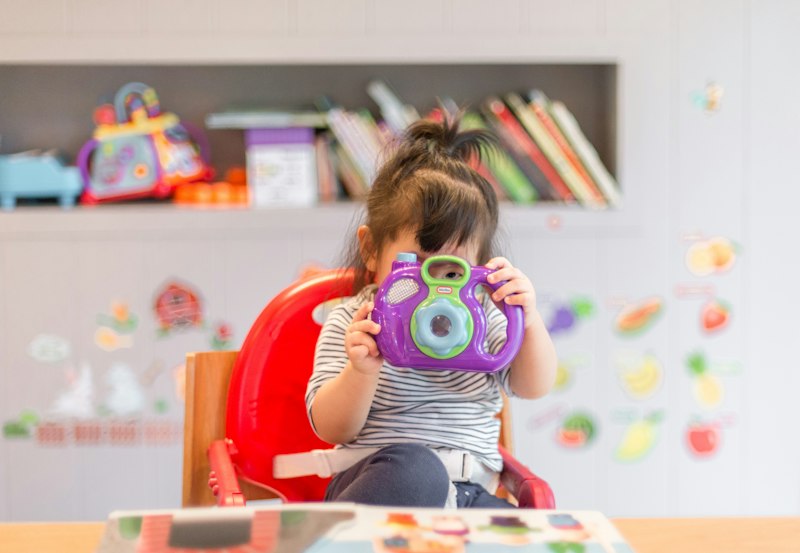
The inner child is the part of you that still carries the feelings, beliefs, and wounds of your early years. It is the part that learned to hide, to please, to perform, or to fight in order to survive. The I Ching, with its 64 images of universal human experience, can speak directly to the inner child — because the hexagrams describe patterns that begin early in life and echo through the decades. When you bring your inner child to the I Ching, you are not analyzing from a distance. You are sitting with the younger version of yourself and letting the hexagrams provide the wisdom, comfort, and guidance that may have been missing the first time.

The Inner Child in the Hexagrams
Every hexagram has a child aspect — the quality of that energy as it appears in early life. Hexagram 3 (Difficulty at the Beginning) is not just a startup struggle. It is the experience of being born into a world that is confusing and difficult. Hexagram 4 (Youthful Folly) is not just a warning about naivety. It is the natural, innocent unknowing of childhood — the state that should be met with patience and teaching, not punishment.
When you work with the inner child through the I Ching, you learn to read the hexagrams at two levels simultaneously: the adult level (what this hexagram means for my current situation) and the child level (what this hexagram meant for me when I was young, or what my inner child needs to hear from this hexagram now).
Key Hexagrams for Inner Child Healing
Hexagram 4 (Youthful Folly) is the primary inner child hexagram. It describes the state of not-knowing — the vulnerability of a child who is still learning how the world works. The judgment of this hexagram is paradoxical: it says that youthful folly creates success when met with the right teaching but disaster when met with mockery or punishment. If your inner child was shamed for asking questions, for being curious, for not knowing, this hexagram names the wound. Its healing message: it was never your fault. Your curiosity was not folly. It was intelligence. The failure was in those who did not know how to meet it.
Hexagram 18 (Work on What Has Been Spoiled) appears when the inner child carries inherited wounds — patterns passed down through generations. The hexagram speaks of corruption that must be traced to its source. If your inner child carries the weight of family trauma — addiction, abandonment, emotional neglect — this hexagram offers a path: go to the origin, not to blame but to understand. The healing is not about fixing your parents. It is about seeing the pattern clearly enough that you do not pass it on.
Hexagram 27 (Nourishment) is the hexagram of what the inner child was fed — and what it was starved of. Its image is an open mouth, the place where nourishment enters. For inner child work, this hexagram asks: what was your younger self hungry for that it did not receive? Attention? Affection? Safety? Permission to be yourself? And what are you feeding your inner child now that it is finally in your care?
Hexagram 41 (Decrease) appears when the inner child experienced loss — the loss of a parent, a home, a sense of safety, a belief that the world is good. This hexagram does not offer false comfort. It acknowledges that something was taken and that the decrease was real. Its healing message: what was lost cannot be replaced by pretending it did not happen. But the decrease that was imposed on you does not define what you can receive now.
Hexagram 24 (Return) is the homecoming hexagram for the inner child. It describes the return of energy after winter, the return of light after darkness. When this hexagram appears in inner child work, it signals that the part of you that was abandoned is ready to return. The child you left behind is knocking at the door. Are you ready to welcome it home?
Reparenting Through the Hexagrams

Reparenting is the practice of giving your inner child what it did not receive the first time. The I Ching offers a structure for this practice:
1. Safety (Hexagram 52 — Keeping Still). Before any inner child work, establish safety. Hexagram 52 is Mountain — stillness, stability, groundedness. Your inner child needs to know that it is safe now. Sit with this hexagram before connecting with younger parts of yourself. Let the Mountain hold both you and the child.
2. Listening (Hexagram 20 — Contemplation). The inner child needs to be heard without interruption. Cast Hexagram 20 and practice the art of patient observation. Contemplate your younger self as you would contemplate a hexagram — without judgment, without trying to fix anything. Just see. Just listen.
3. Validation (Hexagram 61 — Inner Truth). The inner child's feelings were often invalidated. "You are not really sad." "You do not really feel that way." Hexagram 61 asks you to speak the inner truth: what the child felt was real. Name it. Validate it. "You were sad. That was real. I believe you."
4. Guidance (Cast for the child). Let your inner child cast the I Ching directly. Ask the child: what question do you want to ask the I Ching? Then cast and read the hexagram as if you are reading it to a younger version of yourself. Use simple language. Let the hexagram's wisdom be gentle and direct.
5. Celebration (Hexagram 16 — Enthusiasm). Inner child work is not only about wounds. It is also about reclaiming joy. Hexagram 16 is the hexagram of enthusiasm — the spontaneous delight that children feel naturally. When the heavy work is done, cast this hexagram and ask: what would bring my inner child simple joy today? Then do it. Draw. Play. Laugh. Let the child lead.
An Inner Child Letter Practice
Cast the I Ching with the question: What does my inner child need to hear from me right now? Write the hexagram. Then, in your journal, write a letter from your adult self to your inner child. Use the hexagram as the theme of the letter. If you received Hexagram 52 (Keeping Still), write: "You are safe now. You do not have to keep watch anymore. I am here. Rest." If you received Hexagram 4 (Youthful Folly), write: "It was never your fault. You were not wrong to be curious. You were a child, and you deserved patience."
The inner child is not a problem to solve. It is a part of you that was wounded and is now ready to heal. The I Ching offers a language for that healing — a way of speaking to the younger self with the wisdom you have gained, the compassion you have developed, and the understanding that the child you were did the best it could with what it had. You are now the adult that child needed. The hexagrams are the wisdom you bring to the meeting.
Related Posts
Practical guidance
I Ching for Slow Living: Ancient Wisdom for a Slower, More Intentional Life
How the I Ching teaches the art of slowing down — hexagram wisdom for escaping the cult of busyness and finding richness in a slower rhythm of life.
Practical guidance
I Ching Digital Minimalism: Using Hexagrams to Disconnect and Reconnect
How the I Ching supports a healthier relationship with technology — hexagram guidance for digital boundaries, intentional screen use, and reclaiming your attention.
Practical guidance
I Ching for Rest: The Art of Doing Nothing with Purpose
How the I Ching teaches the lost art of true rest — not as a break from productivity but as a fundamental practice of alignment with the natural cycle of effort and release.
Enjoying I Ching Path?
Your donation helps cover server costs — about $15/month — and keeps this platform free and ad-free for everyone.
Support Us